

Dive into winter: benefits and precautions of cold water swimming
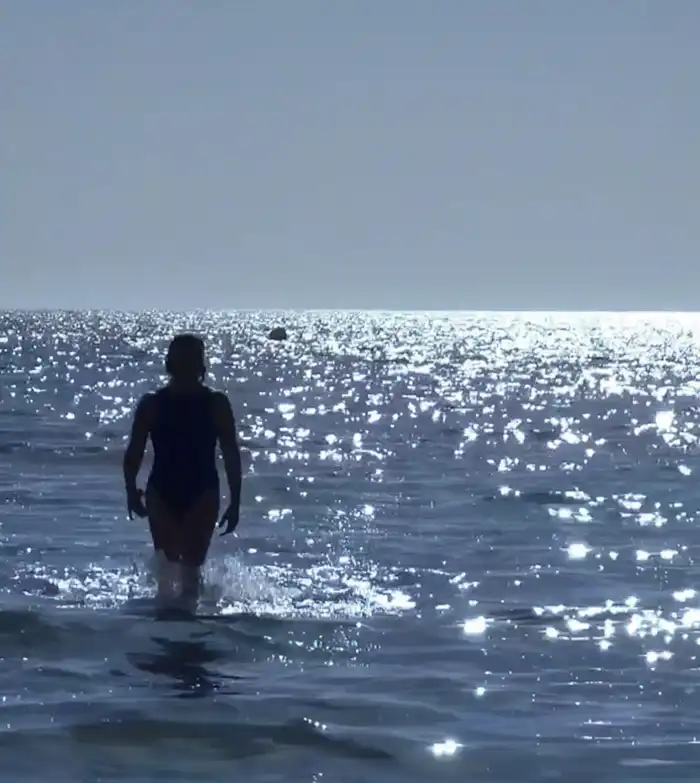
If you’ve ever seen someone plunge into the sea in the middle of winter and thought, “They must be crazy!”, you might want to reconsider. While it may seem like an extreme act, taking a dip in cold water has numerous health benefits. It’s not just a refreshing experience—it can strengthen both your body and mind.
However, as with any practice, it’s essential to take the proper precautions.
Benefits of cold water swimming
Swimming in the sea during winter not only provides an adrenaline and dopamine rush but also contributes to an overall sense of well-being. Here’s why you might want to consider making it a habit:
- Strengthens the Immune System 🛡️: Exposure to cold water activates the immune system, helping the body respond more quickly to threats and increasing resistance to illnesses such as colds and flu. Additionally, this stimulus can enhance white blood cell production, boosting natural defenses.
- Acts as a Natural Anti-Inflammatory ❄️: Cold water helps relieve muscle pain and reduce inflammation caused by overuse or injury. This is why many athletes use ice baths as part of their recovery process.
- Improves Blood Circulation ❤️: When your body comes into contact with cold water, blood vessels constrict and then expand, promoting better circulation. This allows oxygen and nutrients to reach cells more efficiently, improving overall bodily function.
- Boosts Metabolism 🔥: To maintain its internal temperature, the body has to work harder in cold conditions, leading to an increased metabolism. This can aid in burning calories and improving cold tolerance over time.
- Benefits for Skin and Hair ✨: Cold water helps decongest the skin, giving it firmness and reducing inflammation. It also strengthens the scalp and can improve hair quality, making it shinier and more resilient.
- Enhances Mood 😊: Exposure to cold water releases endorphins, which help improve mood and reduce stress. Some people even use this practice as a natural way to combat anxiety and mild depression.
Precautions and contraindications ⚠️
Despite the numerous benefits of cold water swimming, it is not suitable for everyone. It’s crucial to be aware of contraindications before trying it:
🚫 Cardiovascular problems: People with high blood pressure, heart disease, or a history of heart attacks should avoid sudden exposure to extreme cold, as it can cause a rapid increase in heart rate.
🚫 Respiratory issues: If you have asthma or other lung conditions, inhaling cold air and sudden exposure to icy water may make breathing difficult.
🚫 Circulatory disorders: Those suffering from conditions like Raynaud’s syndrome may experience worsened symptoms when exposed to cold temperatures.
🚫 Kidney or urinary diseases: Cold water exposure can exacerbate existing kidney infections or urinary issues.
🚫 Neurological conditions: Individuals with epilepsy or other neurological disorders should avoid cold water immersion without medical supervision.
If you are unsure whether this practice is right for you, consult a doctor before trying it. It is also advisable to start gradually and always listen to your body.
No sea nearby? Try it in the shower! 🚿
If you don’t have access to the sea, you can still reap many of these benefits by alternating between hot and cold showers. Spending one minute under cold water followed by warm water is an excellent way to improve circulation and stimulate the nervous system.
Would you dare to try it? If you already do, share your experience in the comments! 🏊♀️❄️
To learn more about me and the philosophy behind La Mar de Yoga, visit the About Me page. Thank you!
Leave a Reply